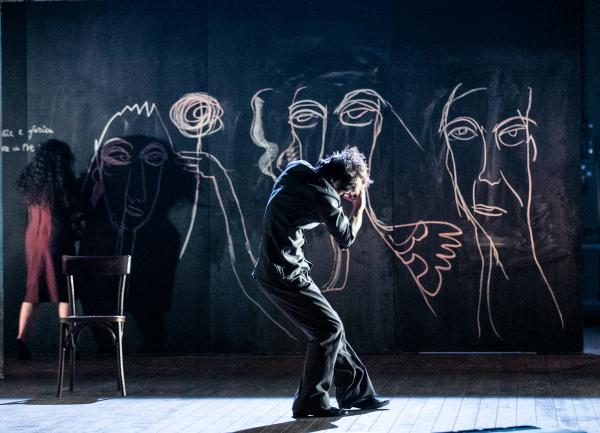
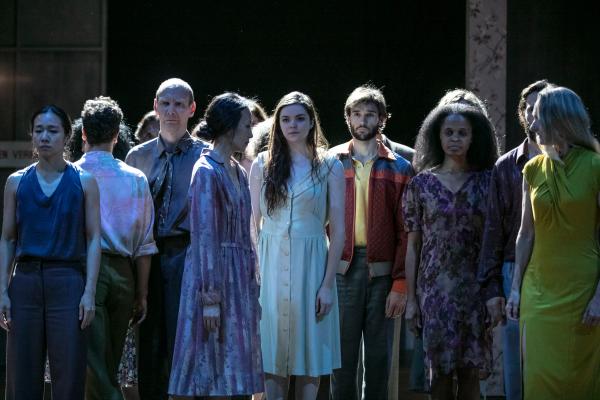
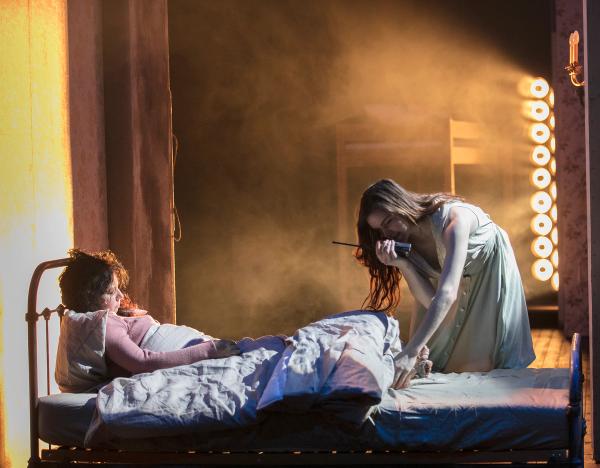
When Tanztheater Wuppertal announced they would, for the first time since Pina Bausch’s death, open the doors to outside choreographers, the decision carried a heavy weight. Pina had shaped the company so profoundly that her dancers and their collective body of work seemed indivisible. Yet in 2018, two artists were invited to create new pieces: Dimitris Papaioannou and Norwegian choreographer and director Alan Lucien Øyen.
First encounters with Pina's world
The invitation came from artistic director Adolphe Binder, who had worked with Øyen previously in Gothenburg. For him, there was no hesitation. “I didn’t blink –I just said, of course.”
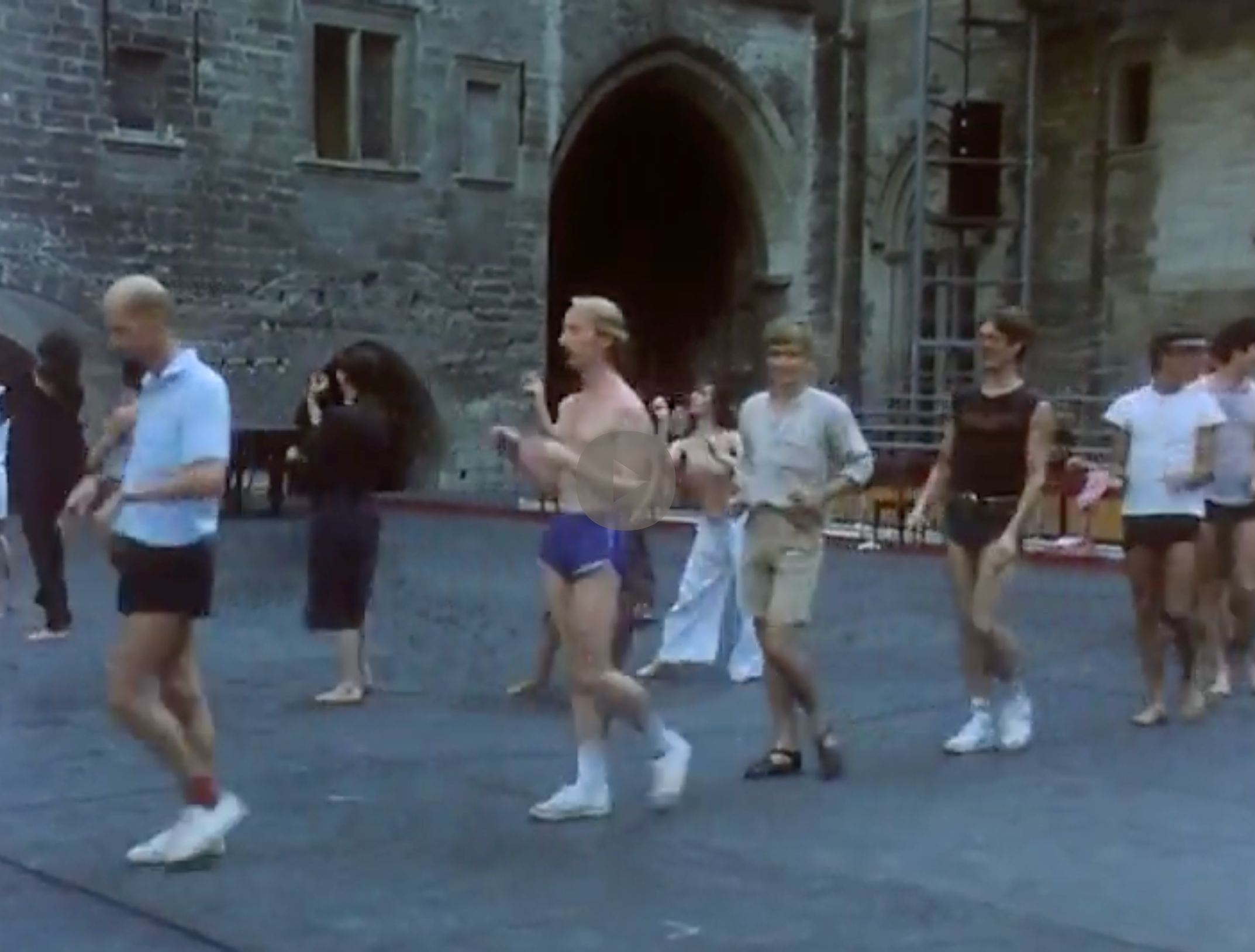
Øyen’s connection to Pina’s work began not in a theatre, but in a classroom. As a young dancer at the State School of Dance in Oslo, he watched a flickering VHS of Chantal Akerman’s documentary One Day Pina Asked.
The dancers appeared on screen –Nazareth Panadero, Héléna Pikon, Bénédicte Billiet, Dominique Mercy – resting and dancing in the courtyard of Avignon’s Palais des Papes.
He wouldn’t see the company live until 2016, long after Pina’s death, when he traveled to Paris to watch Viktor.
It broke all my preconceptions of what I knew dance and theatre to be. Strange – and wonderful...
Stepping into The Lichtburg
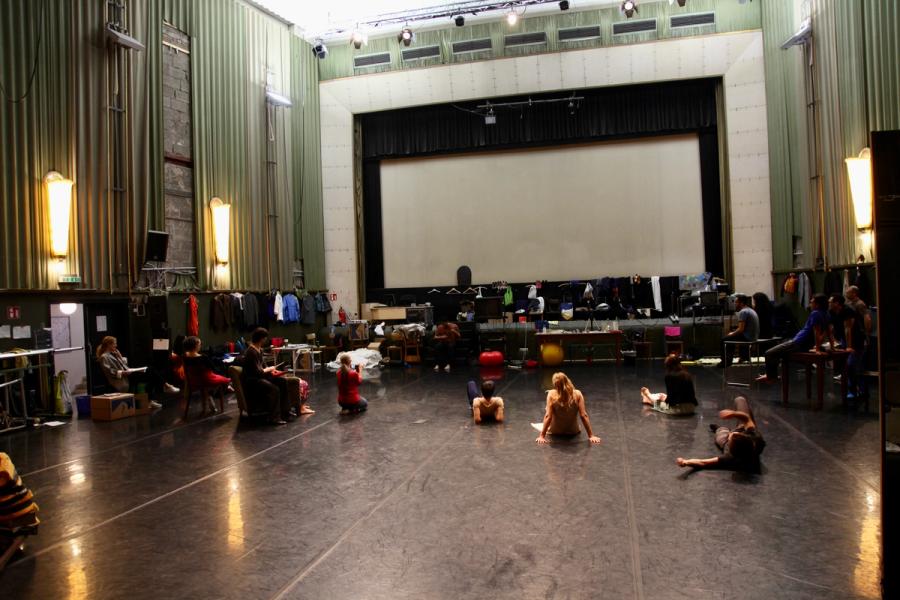
When he arrived in Wuppertal to begin work on Bon Voyage, Bob, Øyen walked into the Lichtburg, the converted cinema where Pina had rehearsed for nearly forty years. “It was like entering a temple. There was an empty seat in the room—you could feel it.”
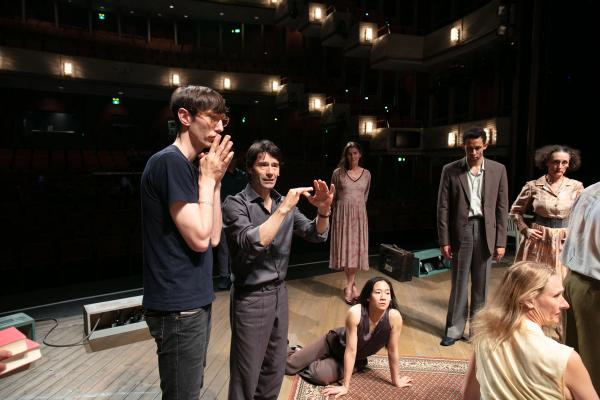
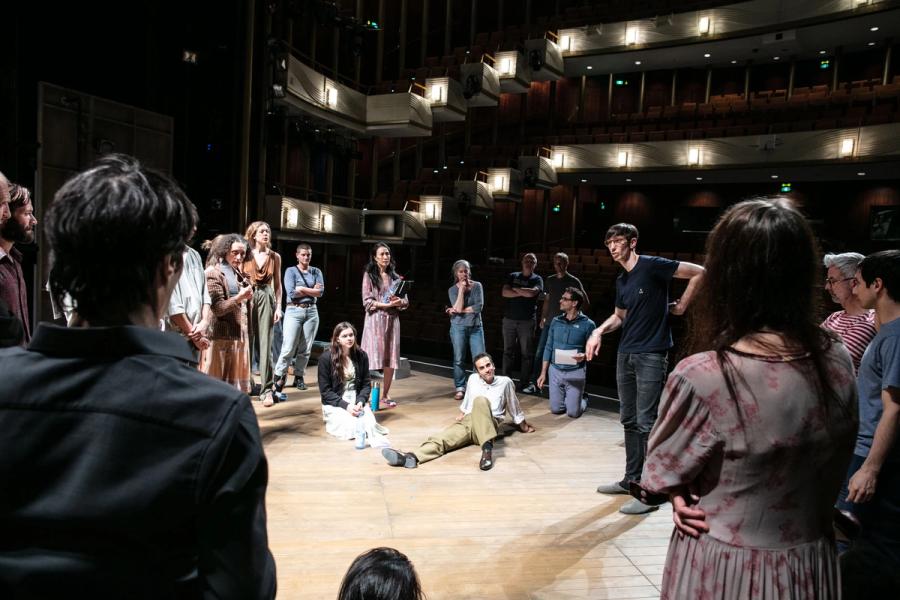
Thirty-six dancers sat in a circle. Øyen’s voice trembled as he addressed them for the first time. For three days, they spoke: sharing their histories, their lives, their memories of Pina.
Then for three days more, they worked in silence. Movements and fragments of scenes emerged. Julie Shanahan whispered to him: “Close your eyes and I’ll dance for you.” He recalls crying behind closed eyes, smiling through tears.
Testing and trust
The beginning was not without tension. Some dancers needed to test this new choreographer who had suddenly stepped into Pina’s universe.
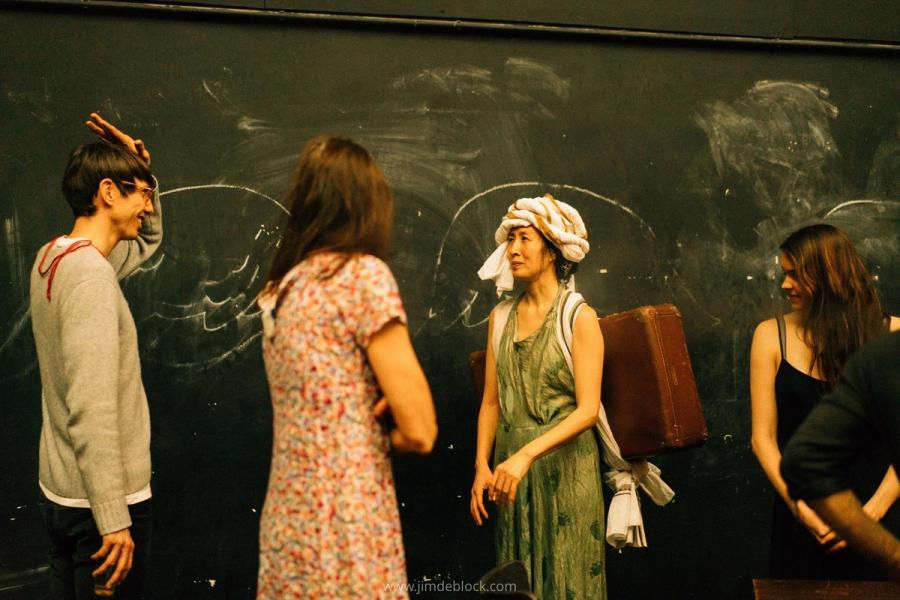
Rainer Behr, one of the company’s most intense performers, staged an unforgettable challenge. He revealed words written on a blackboard at the far end of the room and demanded: “What does it say? What does it say?”
His voice grew louder and more insistent as he grabbed a sponge and began erasing the text before Øyen could reach it.
Forced to run forward, trembling, he shouted fragments of the words he managed to glimpse as they disappeared, only to arrive and find the board wiped clean. “Too late,” Rainer said, dropping the sponge to the floor before walking away.
Øyen was left standing in the middle of the room. “I was immediately placed inside an immersive piece of dance theatre. They were testing me, but also giving me something. I wish I could remember what it said - something about love - but the experience itself was unforgettable.”
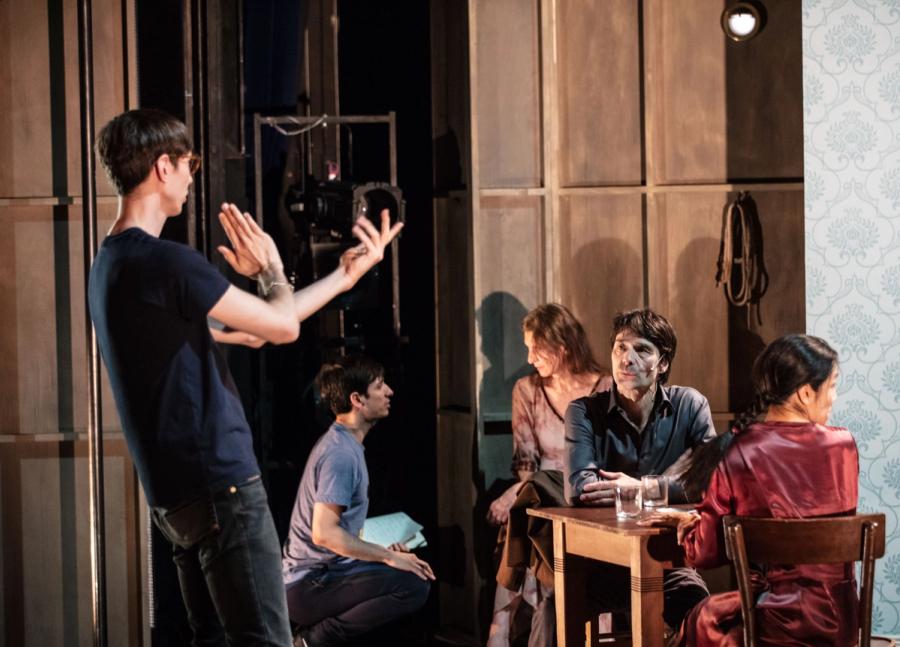
“Any creative process for me is a process of intimacy.”
The truth onstage
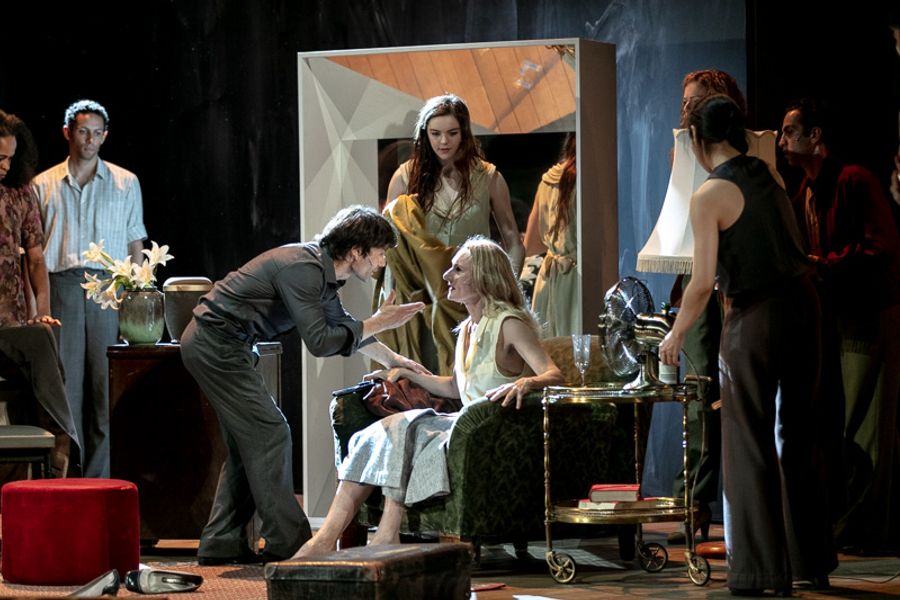
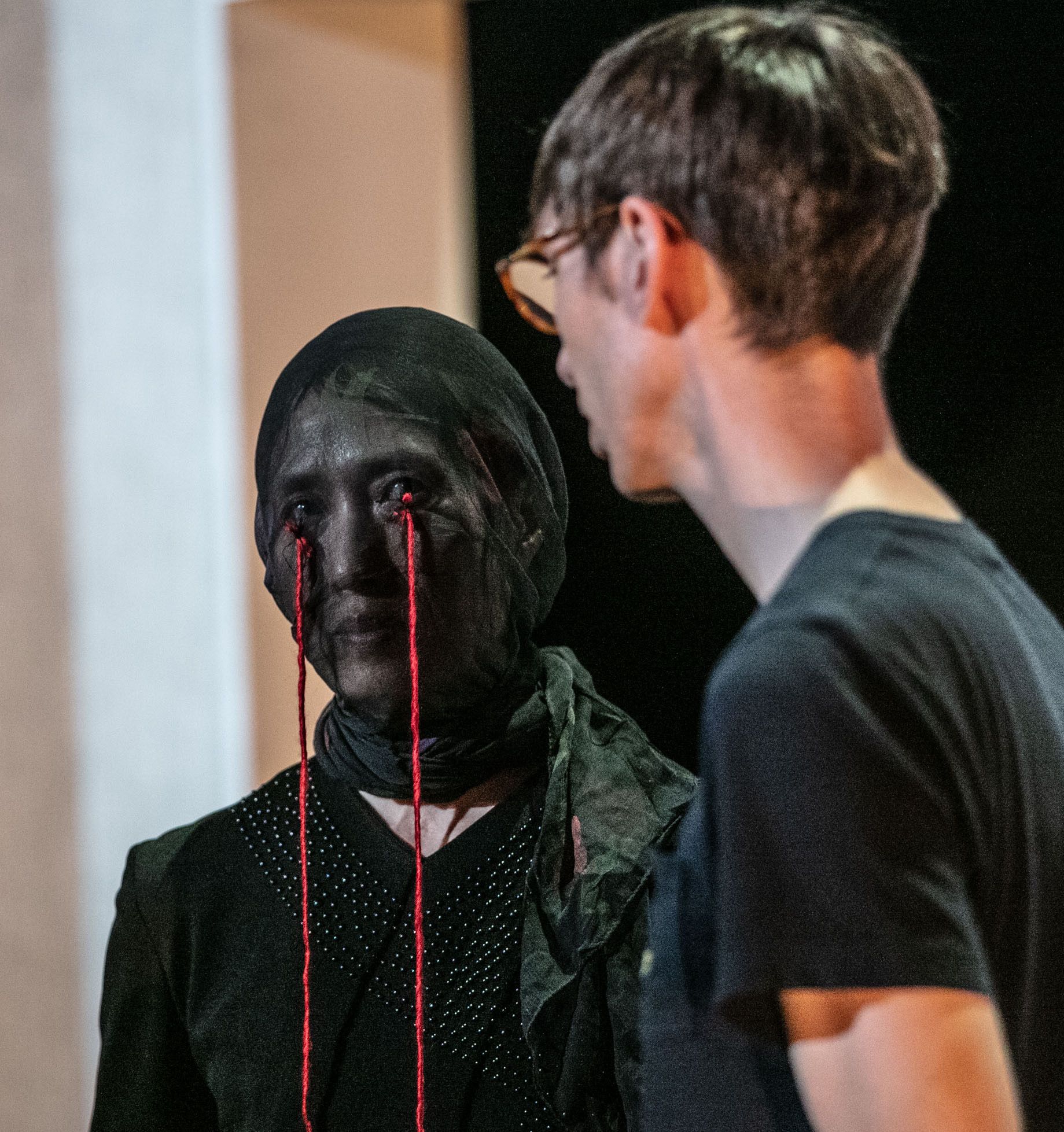
Øyen’s method mirrored Pina’s in spirit: he began with questions, conversations, and waiting. Out of hours of conversation, he lifted lines, images, and gestures. Héléna Pikon spoke of the death of her brother, and the journey to reclaim his body. “Every word spoken on that stage is true. There is a lot of death, a lot of grief, and of course Pina is one of the griefs that is within the piece.”
Generosity
Despite the weight of expectation, Øyen describes the experience as astonishingly free of difficulty. “They showed me such respect when they didn’t really need to. They had such generosity. They literally just sit there and wait with you. How beautiful is that?”
Sometimes the waiting lasted for days; sometimes at ten o’clock at night, when everyone was exhausted, whole sections of the piece suddenly appeared. Nazareth Panadero later reflected: “He wasn’t afraid of Pina’s shadow… It was so touching to be in Pina’s place but working with a new choreographer—like being in Pina’s universe but going in a new direction.”
“I wanted every dancer to have a voice”
Building the work
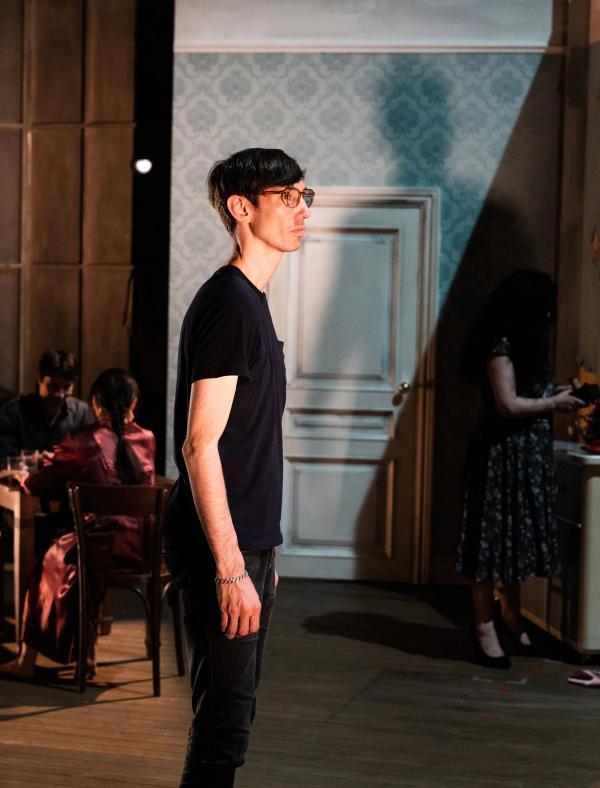
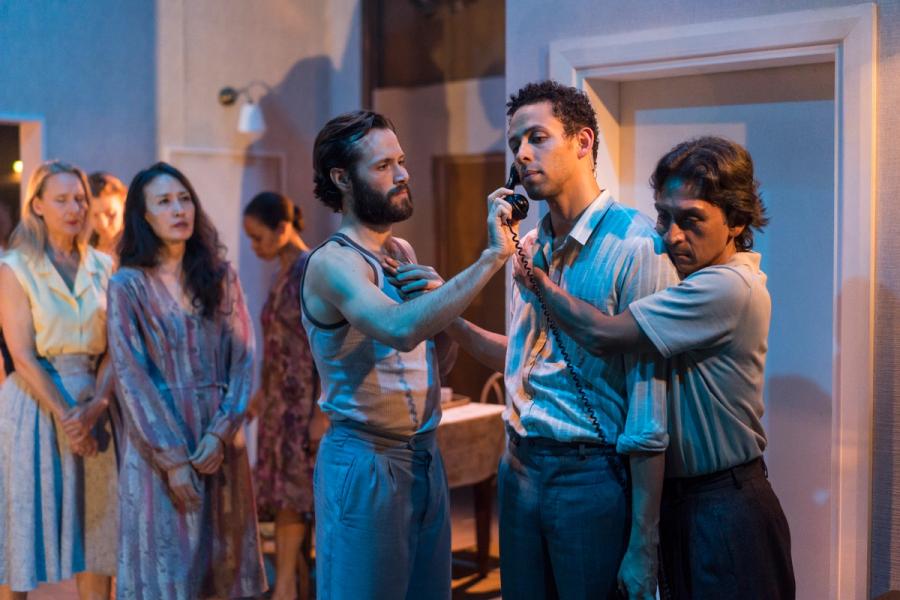
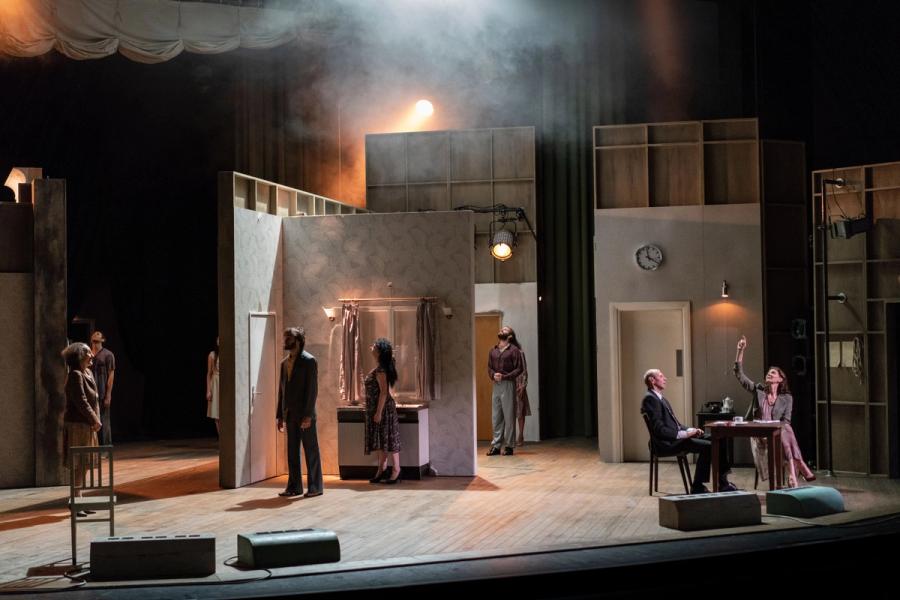
Working with set designer Alex Eales, Øyen recreated the sense of the rehearsal space itself. The stage became a landscape where dancers moved between rooms of memory. Sixteen dancers performed - ranging from their early twenties to their sixties - each one given a voice. “I wanted every dancer to have a voice.”
The soundscape was cinematic and melancholic, built from a playlist that evolved serendipitously in rehearsal. “Sometimes on shuffle, something coincides perfectly with what’s happening - so we keep it. The piece somehow made itself too; I just got to be part of it.”
BEYOND HIERARCHIES
One of the project’s deepest impacts was on the company itself. “When the dancers restage Pina’s work, there’s inevitably a hierarchy – master and apprentice. But in a new creation together, the field is leveled. They create as colleagues, then return to Pina’s repertory with a shared experience of creation.”
This leveling of the field was not only Øyen’s instinct, but also part of Adolphe Binder’s vision in commissioning the new works. Bon Voyage, Bob was, in many ways, a living experiment in carrying the company forward while honoring its roots. “Pina is dead, but they are very much alive.”
CONTINUING THE RELATIONSHIP
Øyen’s work with Tanztheater Wuppertal did not end with Bon Voyage, Bob. He later returned to the company as artistic director of the remount of Pina Bausch’s Sweet Mambo, which is still touring internationally. Several of the dancers who created Bon Voyage, Bob with him are now also part of his production Antigone, currently touring.
COMING HOME
For Øyen, creating Bon Voyage, Bob was not only a landmark commission, but also an affirmation of belonging. “The more I learn about Pina’s works, the more I realize how tremendous her influence has been—on all of us, through teachers, collaborators, colleagues. Creating in Wuppertal felt a bit like coming home.”
What stays with him are not only the finished scenes, but the fragile human encounters that built them: the circle of dancers, the silence of waiting, words written and erased, a whispered invitation to close his eyes. Out of those fleeting moments came one of the most significant works in Tanztheater Wuppertal’s life after Pina Bausch.
Did you know?
When Alan sat the whole company in a big circle to share stories, it was the first time they had ever done that.
The working title of Bon Voyage, Bob was Neues Stück II - simply “New Piece 2” - following Pina’s own tradition of naming works in creation.
After its premiere at the Opernhaus Wuppertal, Bon Voyage, Bob toured to Sadler’s Wells, London; Théâtre National de Chaillot, Paris; Volksbühne, Berlin; and the Norwegian National Opera, Oslo.
When Alan was invited to create the full-evening work Cri de Cœur for the Paris Opera, he invited Héléna Pikon to join him as a guest artist.
Listen to the podcast
AudioSavannah Saunders interview's Alan The Wonderful World of Dance.
The Hamlet Complex
From a Joke to a Gesamtkunstwerk
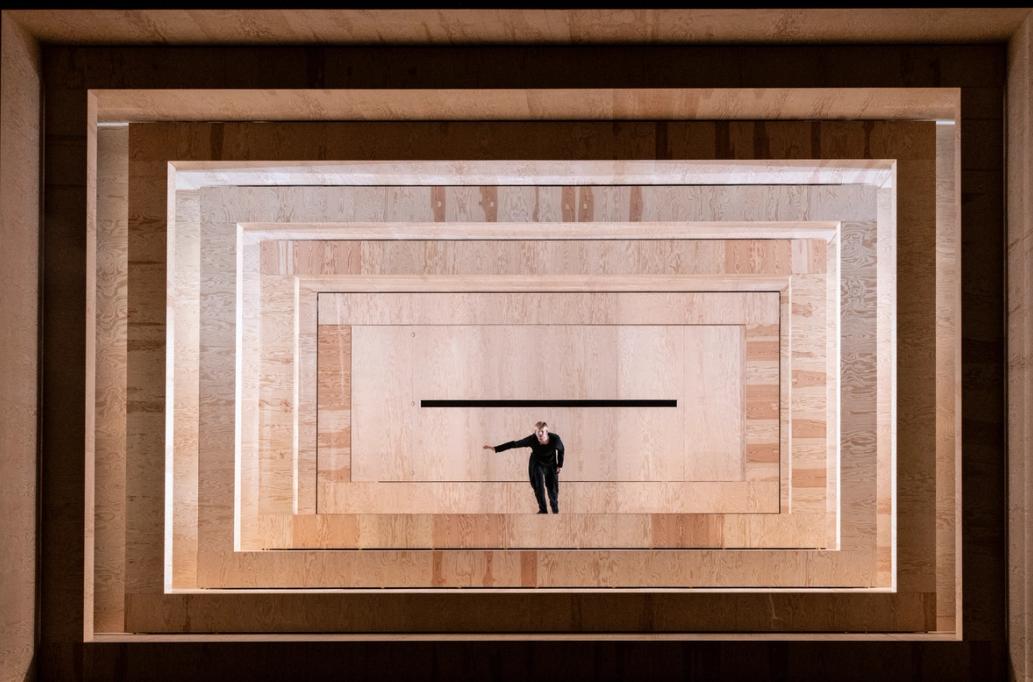
From a joke on stage in 2015, Alan Lucien Øyen and Åsmund Færavaag’s monumental wooden set for Timelapse sparked an idea: "We should really stage a play in a set like this."
Credits
Direction / Choreography / Text
Alan Lucien Øyen
Creative Collaborators
Daniel Proietto, Choreographer
Andrew Wale, Writer
with
Tanztheater Wuppertal Pina Bausch:
Regina Advento, Pau Aran Gimeno, Emma Barrowman, Rainer Behr, Andrey Berezin, Çağdaş Ermiş, Jonathan Fredrickson, Nayoung Kim, Douglas Letheren , Eddie Martinez, Nazareth Panadero , Héléna Pikon , Julie Shanahan, Stephanie Troyak, Aida Vainieri, Tsai-Chin Yu
Set Design
Alex Eales
Costume Design
Light Design
Sound Design
Rehearsal Director
Daphnis Kokkinos
Assistant Rehearsal Director
Bénédicte Billiet
Assistant Costume Design
Anna Lena Dresia
Translation & Surtitles
Harold Manning
Still Photography
Commissioned by
Adolphe Binder
Produced by
Tanztheater Wuppertal Pina Bausch
In co-production with
Théâtre de la Ville-Paris, Chaillot – Théâtre national de la Danse, Sadler's Wells and Norwegian National Ballet
With the support of
Kunststiftung NRW
Tour
Sadler's Wells London (22–25 Feb 2019) · Chaillot – Théâtre national de la Danse, Paris (29 Jun – 3 Jul 2019) · Volksbühne Berlin · Den Norske Opera & Ballett, Oslo
Award
Der Faust 2019 nomination — Douglas Letheren, Darsteller Tanz
Images